How Regional Traditions Shape Mechanics in Mobile Interactive Entertainment Platforms
Written by Olivia Hoffmann · Sep 26, 2026
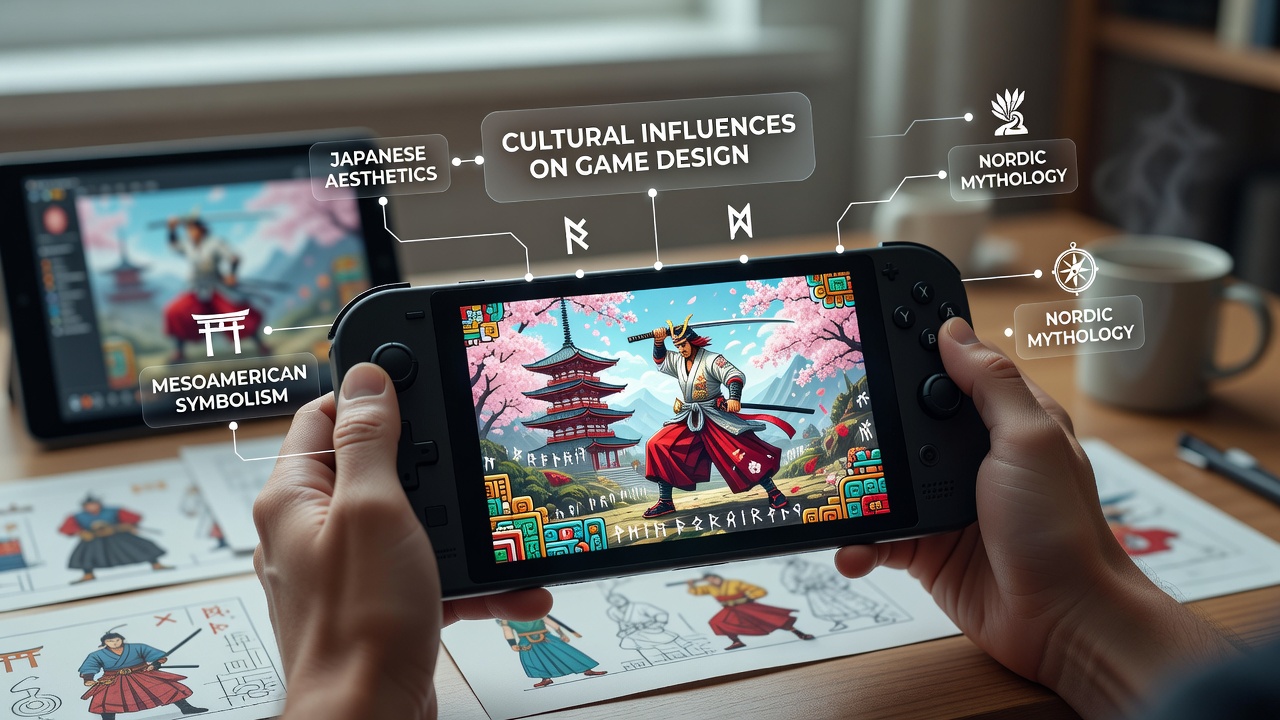
How Regional Traditions Shape Mechanics in Mobile Interactive Entertainment Platforms
Portable interactive platforms have evolved through direct input from cultural practices around the world, with developers incorporating visual motifs, narrative structures, and interaction patterns drawn from local traditions into mobile applications. Data from industry reports indicate that these adaptations occur consistently across regions, and they produce measurable differences in user engagement metrics tracked by analytics firms in September 2026. Researchers at academic institutions have documented how specific design choices reflect historical storytelling methods, color symbolism, and social rituals from their originating cultures.
Visual Elements Rooted in Heritage
Design teams in East Asia frequently integrate aesthetic principles from traditional art forms into character models and background environments, whereas developers in North America emphasize realistic textures influenced by cinematic techniques developed in Hollywood studios. Observers note that color palettes in many mobile titles from India draw upon festival iconography and textile patterns, which results in interfaces that resonate with users familiar with those visual languages. Studies conducted by university researchers in Australia reveal correlations between these localized visuals and longer session durations among domestic players compared with international audiences.
Gameplay Loops and Social Structures
Mechanics in portable games often mirror communal activities found in specific societies, and this pattern appears across multiple titles released in recent years. For instance, turn-based systems in some applications echo strategic board games passed down through generations in East Asian communities, while cooperative modes in Western-developed titles align with team-oriented sports traditions common in those markets. Evidence from market analysis shows that developers adjust progression systems to match prevailing attitudes toward competition and collaboration, and this produces distinct retention curves documented in quarterly reports.
Case Examples Across Regions
One mobile franchise originating from Japan incorporates resource management systems based on seasonal cycles observed in agricultural history, which leads to timed events that coincide with real-world festivals. In contrast, titles developed in Brazil frequently feature rhythm-based interactions derived from musical traditions, and data indicates these elements drive higher social sharing rates within that region. European studios have adopted puzzle structures influenced by architectural symmetry found in historical landmarks, creating levels that reward pattern recognition in ways familiar to local players.
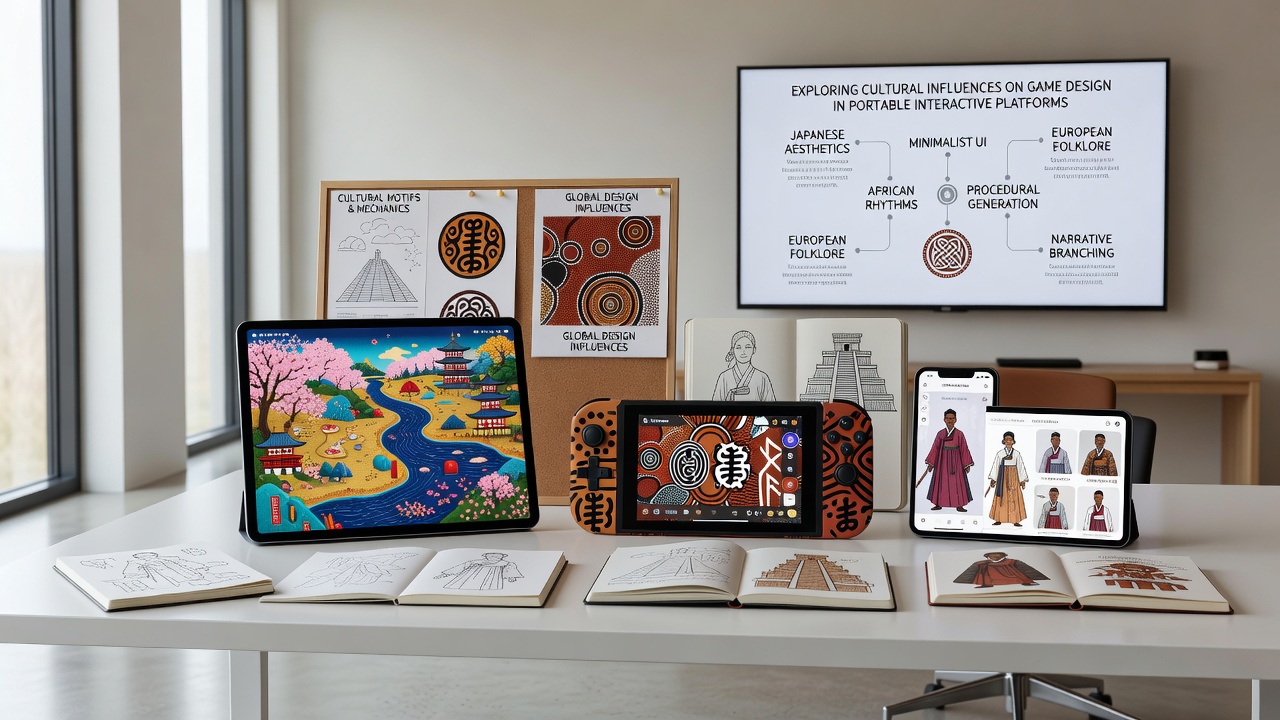
Additional adaptations include narrative branching that follows epic storytelling formats from Middle Eastern literature, and these choices appear in several adventure games distributed globally. Figures from research institutions demonstrate that such culturally aligned storytelling increases completion rates when localized versions reach target audiences. Developers consult historical records and community experts during pre-production phases to ensure accurate representation of these elements.
Technical Adaptations and Platform Constraints
Portable devices impose hardware limitations that interact with cultural design decisions, and teams must balance visual complexity with performance requirements. Applications targeting markets with strong oral traditions often prioritize voice acting and audio cues over dense text interfaces, which aligns with user preferences tracked in regional surveys. According to reports from the Entertainment Software Association, these technical decisions contribute to broader accessibility across diverse demographic groups.
Regulatory frameworks in various countries further guide content decisions, with guidelines from bodies like the Australian Classification Board and Canadian provincial agencies shaping how cultural themes are presented in interactive formats. Industry organizations such as the European Games Developer Federation have published guidelines that encourage sensitivity to symbolic elements during localization processes.
Emerging Patterns in 2026
Analytics collected through September 2026 highlight continued growth in cross-cultural collaborations, where studios combine design approaches from multiple traditions within single titles. Research indicates that hybrid mechanics blending elements from different heritages appear more frequently in titles aimed at international distribution. Academic papers from institutions including the University of Tokyo have examined these fusions and their effects on player interpretation across borders.
Conclusion
Documentation from multiple sources confirms that cultural influences continue to inform core aspects of game design on portable platforms, producing varied experiences that reflect the backgrounds of their creators. Ongoing studies track how these elements evolve alongside technological advances and shifting user bases, providing data for future development decisions.